When a girl says she misses you, what do you text back?
Whether it comes from a girl you just started seeing, your girlfriend, an ex or an old friend, “I miss you” needs a reply that matches what you actually feel. Ready-to-send texts for each case, why they work and when to skip them.

When a girl says she misses you, answer the feeling first. If you feel the same, say so plainly and give her something to look forward to: “Miss you too. When can I see you?” If you’re not sure, or you don’t feel the same, stay kind and honest instead of echoing words you don’t mean. The best reply depends on who she is to you: a new match, a girlfriend, an ex or a friend.
- Saying “I miss you” first is a small risk, so how warm your reply is counts for more than how long it is.
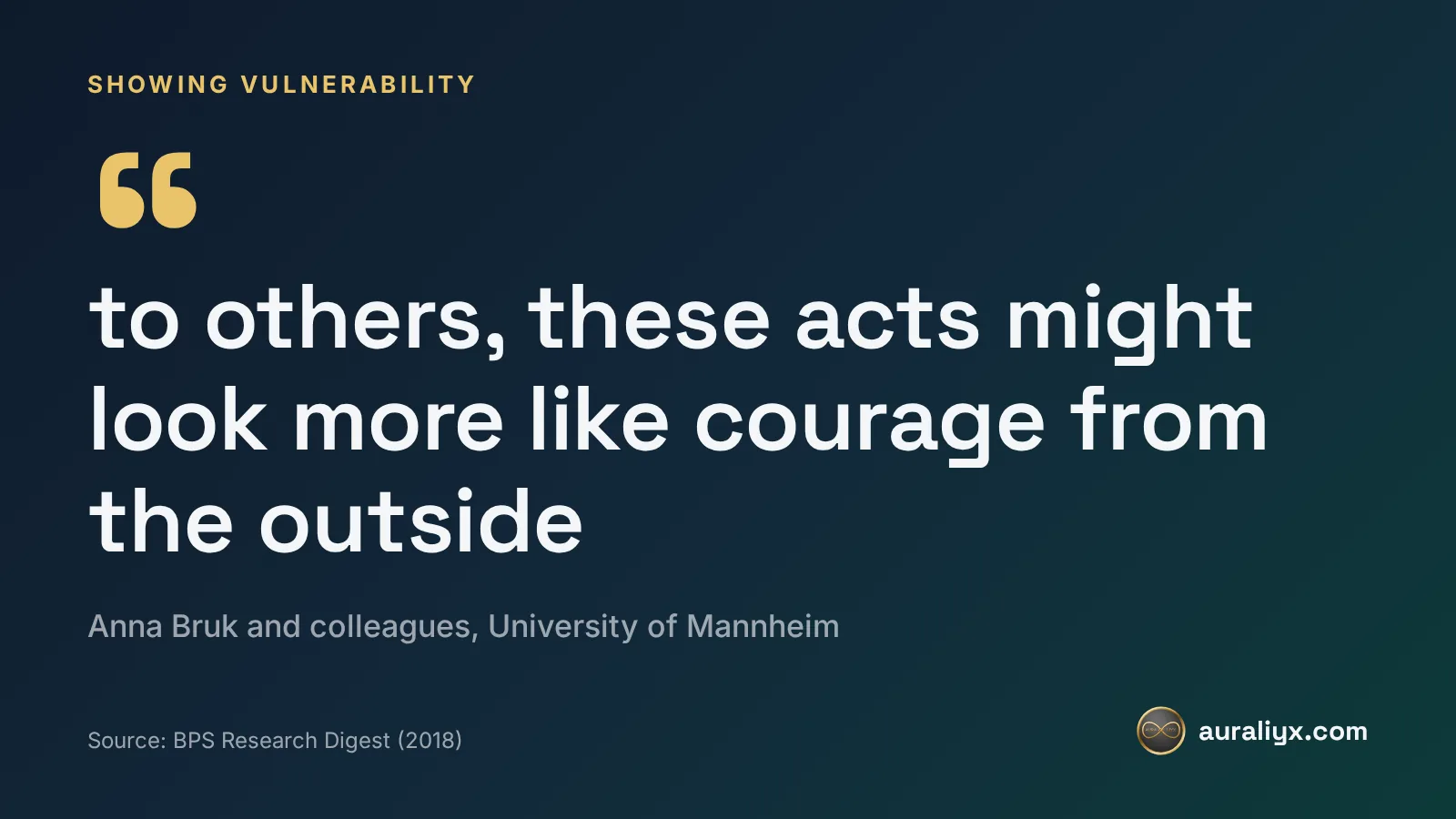
- In seven studies by University of Mannheim psychologists, people judged their own moments of openness more harshly than the same move made by someone else.
- If you miss her too, say it and add a detail or a plan, so it doesn’t sound like an echo.
- With an ex, decide what you want before you reply. Your answer tells her what happens next.
- If you don’t feel the same, skip “miss you too” and answer with kindness instead.
Your phone lights up with three words: “I miss you.” No context, no question, nothing else. A text that took her two seconds to type now has you staring at the screen, wondering what to say.
A girl you’ve been on two dates with, your girlfriend of a year, an ex and an old friend can all send those same words and mean very different things. Each one needs its own reply.
Why does a simple “I miss you” feel so loaded?
Saying “I miss you” first is a small risk. She doesn’t know if you’ll say it back, laugh it off or leave her on read. That’s why your reply carries more weight than the length of her text suggests.
Psychologists at the University of Mannheim in Germany have a name for part of this: the “beautiful mess effect.” Across seven studies, Anna Bruk and her colleagues asked people to picture moments of openness, like confessing romantic feelings or admitting a mistake. People judged their own openness more harshly than the same move made by someone else. What felt weak to them looked brave to others.
Most of those studies used imagined scenarios, so it’s a pattern, not a rule about any one text. Still, her message probably felt riskier to send than it looks on your screen, and a one-word reply can feel like a door closing.
If you’ve ever held a feeling back and wished you hadn’t, the research on that kind of regret might sound familiar.
“Vulnerability is courage in you and inadequacy in me.”
Brené Brown, in Daring Greatly, the book that partly inspired the Mannheim team (quoted by the BPS Research Digest)
Missed her too? How do you say it back without sounding flat?
If you feel it too, say so, and add one extra detail. “Miss you too” on its own is fine, but it can read like an echo. Adding why you miss her, or when you’ll see her, turns it into a real answer.
- “Miss you too. Kind of a lot, actually.” The “actually” makes it sound unplanned and real, and she’s likely to feel relieved she said it first. Skip it if you’ve only been on one date. It can feel like too much, too soon.
- “Me too. Now I have to know what you miss most.” Playful and flirty, and it hands the conversation back to her. Don’t send it if she sounds down or stressed. She may want comfort, not a game.
Why it works: It matches her feeling, says it plainly and gives you both something to look forward to. “lol same” can read like you’re brushing her off, even if you meant it warmly. Skip the plan only if you truly can’t see her soon.
Not sure which reply fits? Paste her text into Auraliyx and see how each answer is likely to land before you hit send.
Try Auraliyx free →What if you’ve only been on a couple of dates?
Early on, “I miss you” can be sweet, a little bold or just her way of saying “I like you.” You don’t have to match her exact words if you’re not there yet. You can match her warmth instead.
If you’re ready to go a step further and tell her you like her, these examples show how to say it over text without overdoing it.
- “Ha, I was about to text you. Can’t wait for Saturday.” Warm and forward-looking, without claiming feelings you’re not sure about yet. Don’t use it if you haven’t made plans. Without the Saturday part, it just sidesteps what she said.
Why it works: Teasing her for being early can make her feel silly for saying it. This reply shows you’re happy she did and moves things forward without pretending you’re further along than you are. Don’t send it if you don’t want a next date.
Out of nowhere after months of silence: what do you say?
Sometimes “I miss you” comes from someone you haven’t talked to in ages, like a girl you dated briefly. It’s normal to wonder why now.
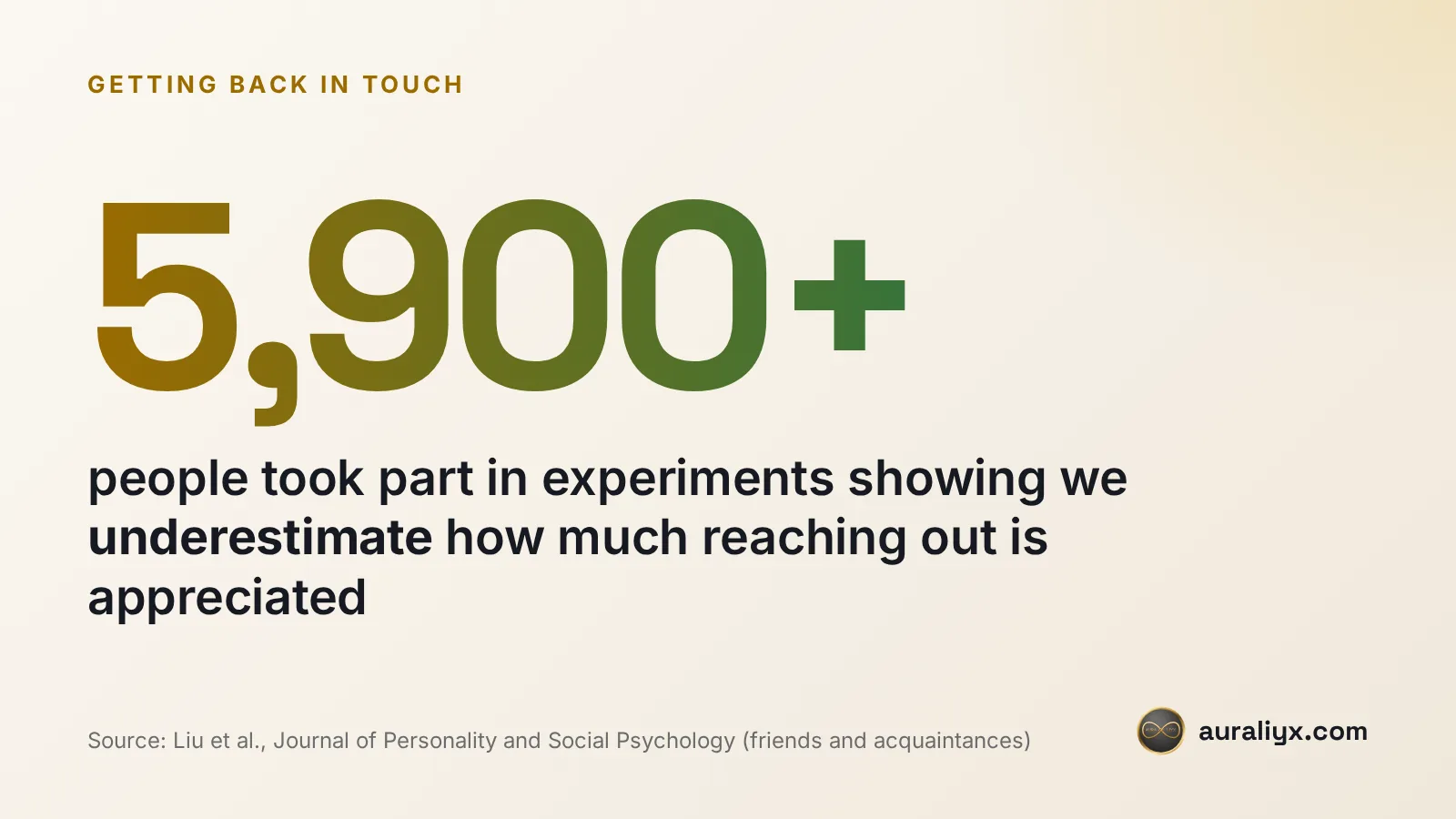
Research on a related situation is reassuring. In experiments with more than 5,900 participants, Peggy Liu of the University of Pittsburgh and her colleagues found that people who got back in touch with someone after a long gap expected the message to be valued less than it really was. The more surprising the message, the bigger the mismatch tended to be.
That work looked at friends and acquaintances, not exes or crushes, so it’s only a rough guide here. But she was probably a bit nervous to send it, and a warm reply may mean more to her than you’d guess.
And if someone has been on your mind too, a few simple texts can make reconnecting easier.
- “Wow, hi! This honestly made my day. How have you been?” Warm and low-pressure. The question at the end opens the door to catching up. Don’t use it if you’d rather she didn’t come back into your life.
- “I’ve wondered how you were doing. What made you think of me?” Curious and kind, and it gives her room to explain. Leave out the second question if things ended badly. It can sound like a test.
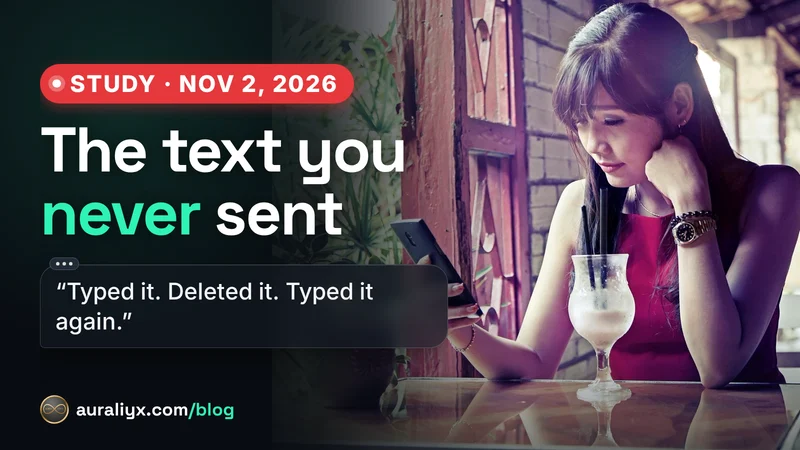
How should you answer an ex who says she misses you?
This is where your reply matters most, because it tells her what happens next. Decide what you want before you start typing. If you need an hour, or a night, take it.
One exception: if the relationship was controlling or frightening, you don’t owe her an answer at all. Not replying, or blocking her number, is a fair choice. If she keeps contacting you or you feel unsafe, a local domestic abuse support service can help you work out what to do.
- You don’t want to get back together: “That’s kind of you to say. I hope things are good with you.” It’s warm, and it closes the door without drama. Don’t add “we should catch up” unless you mean it, because that line reopens everything.
- You’re not sure: “I’ve thought about you too. I don’t know what I want yet, so give me a little time.” Honest, without promising anything. Don’t use it if you already know the answer is no. It just keeps her waiting.
- You want to try again: “I miss you too. Can we talk properly this week, maybe over coffee?” It moves the big conversation off text, where tone gets lost. Skip it if the breakup was about something serious that hasn’t changed.
Why it works: Mocking her might feel good for a minute, but it sounds bitter and can drag you both back into old fights. The good version is honest and kind, and it doesn’t leave her guessing. Don’t send it if you haven’t moved on.
Just friends, or a 2 a.m. text: does that change your answer?
Yes. A friend who says it usually means she misses hanging out. A late-night text after a party might mean more, or nothing by morning.
In the UK, one or two kisses at the end of a text (“miss you x”) are common between friends, so don’t read them as a confession. In the US, an “x” is rarer and can come across as flirtier.
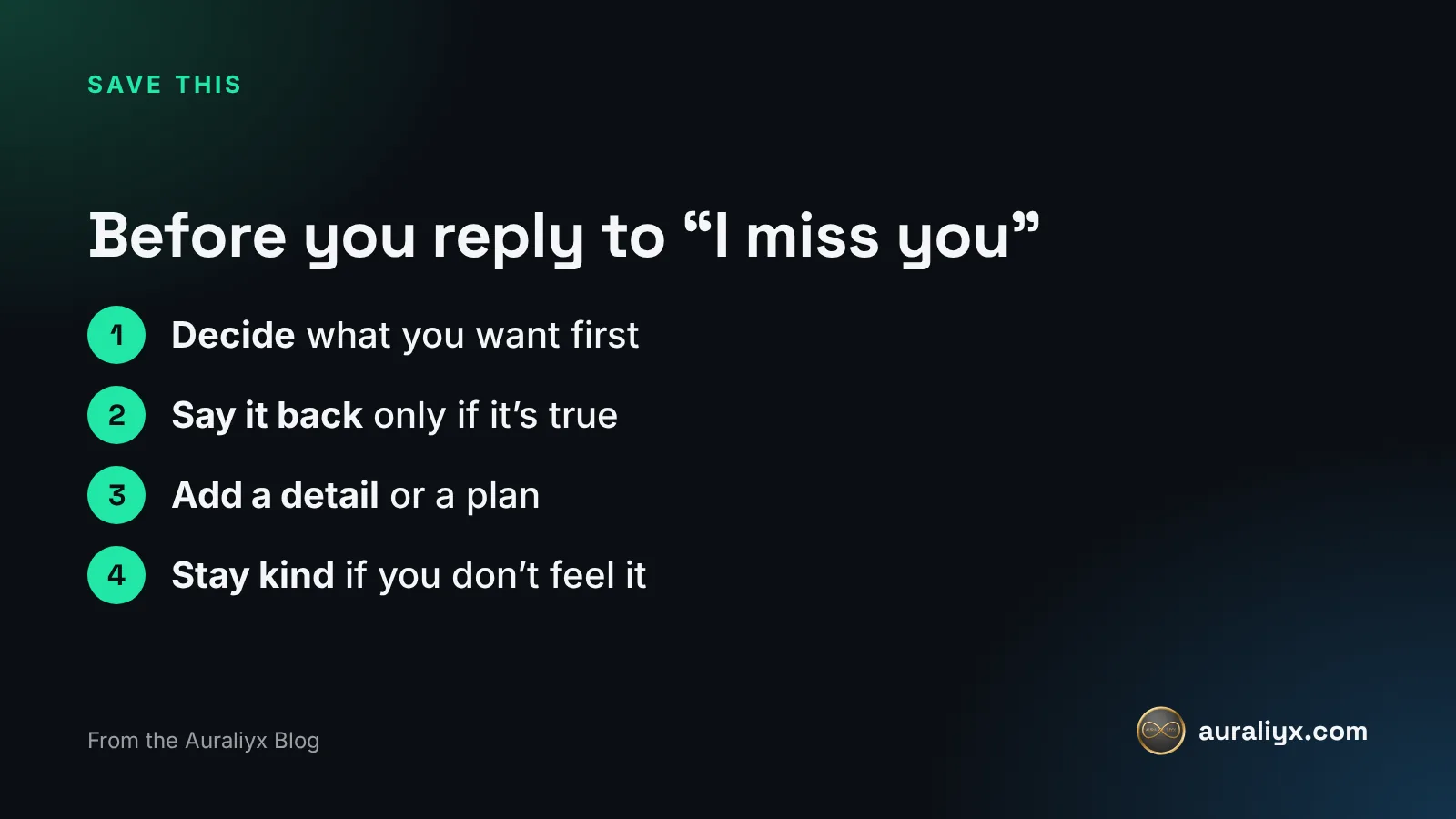
- “Miss you too. Let’s talk tomorrow, okay?” Kind, and it saves the real conversation for when you’re both clear-headed. Don’t use it with a girlfriend who always texts late. For her, it’s just a normal night.
Why it works: Three hearts can read as romance when you mean friendship. A friendly plan answers her warmth without hinting at something you don’t feel. Skip it if you do want more than friendship; then be a little braver than this.
Sources we checked
- BPS Research Digest: The “beautiful mess” effect: Other people view our vulnerability more positively than we do (August 2, 2018)
- Journal of Personality and Social Psychology (Bruk, Scholl & Bless): Beautiful mess effect: Self–other differences in evaluation of showing vulnerability (August 2018)
- American Psychological Association via EurekAlert!: Friends enjoy being reached out to more than we think (July 11, 2022)
- Journal of Personality and Social Psychology (Liu, Rim, Min & Min): The surprise of reaching out: Appreciated more than we think (published online July 11, 2022)
We open and read every source before we cite it. Spotted an error? Email humansupport@auraliyx.com and we will fix it.
Written by
Auraliyx is an AI relationship coach trained only on attraction, dating and relationships. Every article is built from sources we open and read, every number is checked against the original, and the Auraliyx team reviews it and corrects anything we get wrong.
Frequently asked questions
What does it mean when a girl says she misses you?
Usually that she enjoys your company and wants more of it. From a new date, it often means she likes you. From an ex, it can mean regret, loneliness or a wish to reconnect, so ask before you assume.
Should I say I miss you back?
Only if it’s true. If you do miss her, say it and add a detail or a plan. If you don’t, answer with warmth instead, like telling her it was nice to hear from her.
How do you respond to “I miss you” if you don’t feel the same?
Be kind and clear. Thank her for saying it, wish her well and skip any vague “we should hang out” you won’t follow through on.
What should I say when my ex says she misses me?
First decide what you want. Not interested? Reply warmly and leave it there. Open to it? Suggest talking in person. If the relationship was unsafe, you don’t have to reply.
How long should I wait to reply to “I miss you”?
There’s no rule. If you know how you feel, replying the same day is kind. If it’s an ex or you’re unsure, it’s fine to take a few hours first.
Is it too soon to say “I miss you” after a few dates?
Not necessarily. Early on it often just means “I like spending time with you.” If it feels fast, you can answer with warmth and a plan rather than the same three words.
What does an “x” at the end of a text mean?
In the UK, it stands for a kiss and is common between friends and family, so one or two don’t usually mean flirting. In the US it’s less common and can read as more romantic.
Found it useful? Send it to someone who needs it
A friend with the same question will thank you.
Her text is waiting
Paste her message or tell Auraliyx who she is to you. You’ll know what to say and why, and how she’s likely to feel reading it. It’s not AI talking for you. It’s you, talking better.
Try Auraliyx freeFree · no credit cardShort videos on what to text, what to say and what it really means. Follow Auraliyx:
Join the conversation
Has this happened to you? Share your experience. It might help someone else.
Comment rules
- Be kind. No insults, hate or explicit content.
- No links, ads, contact details or phone numbers.
- English only, for now.
- Don't share private details about other people.
- Comments are checked automatically and may be removed.
We only keep the first name and the comment you post, and the date. We don't ask for your email or store your IP address. To have a comment removed, email humansupport@auraliyx.com.