The Long-Term Effects of Divorce Can Last Into Old Age. Here’s How to Stay Close to Your Kids
A new University of Granada study finds that a divorce can shape your support network for decades, leaving some older adults, especially fathers, cut off from their children. U.S. research shows a similar split. Here’s why it happens and what to say to keep your family close.

The long-term effects of divorce can last for decades. A University of Granada study published in October 2026 interviewed separated and divorced older adults living alone and found many lacked family support, with men especially likely to have lost touch with their children. U.S. research points the same way: after a divorce at 50 or older, mothers were twice as likely to see more of their adult kids, while fathers were only half as likely to stay regularly involved. These ties can be protected, and repaired, with small, steady effort.
- A University of Granada study found that a divorce can shape your support network for decades, especially if you end up living alone.
- Among the men interviewed, ties with their sons and daughters often weakened or were lost after the marriage ended.
- In U.S. data on 920 people who divorced at 50 or older, mothers were twice as likely to see more of their adult kids; fathers were only half as likely to stay regularly involved.
- The share of American men with no close friends rose from 3% in 1990 to 15% in 2021, per the Survey Center on American Life.
- Distance is repairable: short, regular, low-pressure messages matter more than one big talk.
When researchers in Spain sat down with one 85-year-old divorced father, he told them he hadn’t seen his kids since 2013. “That’s hard, but what can I do?” he said. The distance didn’t happen in one day. It came slowly, one missed call and one skipped birthday at a time.
That is the quiet story behind a new study from the University of Granada: the long-term effects of divorce don’t end when you sign the papers. For some people, they show up decades later, right when they need family most. Here’s what the research found, why fathers are more at risk, and what to say today to keep, or rebuild, the bonds that matter.
What the new study on the long-term effects of divorce found
Sociologists Juan López Doblas and María del Pilar Díaz Conde of the University of Granada interviewed older adults who separated or divorced many years ago and now live alone. The study, published in the International Journal of Sociology, is the first of its kind in Spain. It is built on in-depth interviews, not big statistics, so it shows how these lives unfolded, not how common each outcome is.
The pattern they describe is still striking. Many interviewees had gaps in family support and practical needs nobody was meeting, like help with health problems or daily tasks. Among men, it was common for relationships with their sons and daughters to weaken or even disappear after the marriage ended.
Women faced a different problem. They usually stayed close to their children, but many paid a financial price for raising kids alone, which made care harder to afford later.
“It could be said that they were unable to differentiate between their roles as husbands and fathers, so that marital breakdown also led to their absence from the family scene and estrangement from their sons and daughters”
Juan López Doblas and María del Pilar Díaz Conde, University of Granada
Does the same thing happen in the U.S.?
The Granada study is small and set in Spain, but larger studies point the same way. Sociologists at Bowling Green State University analyzed Health and Retirement Study data on 920 Americans who reported a divorce at age 50 or older and had adult children. As the Institute for Family Studies summarized it, mothers were twice as likely to have more frequent contact with their adult children afterward, while fathers were only half as likely to engage regularly with their grown kids.
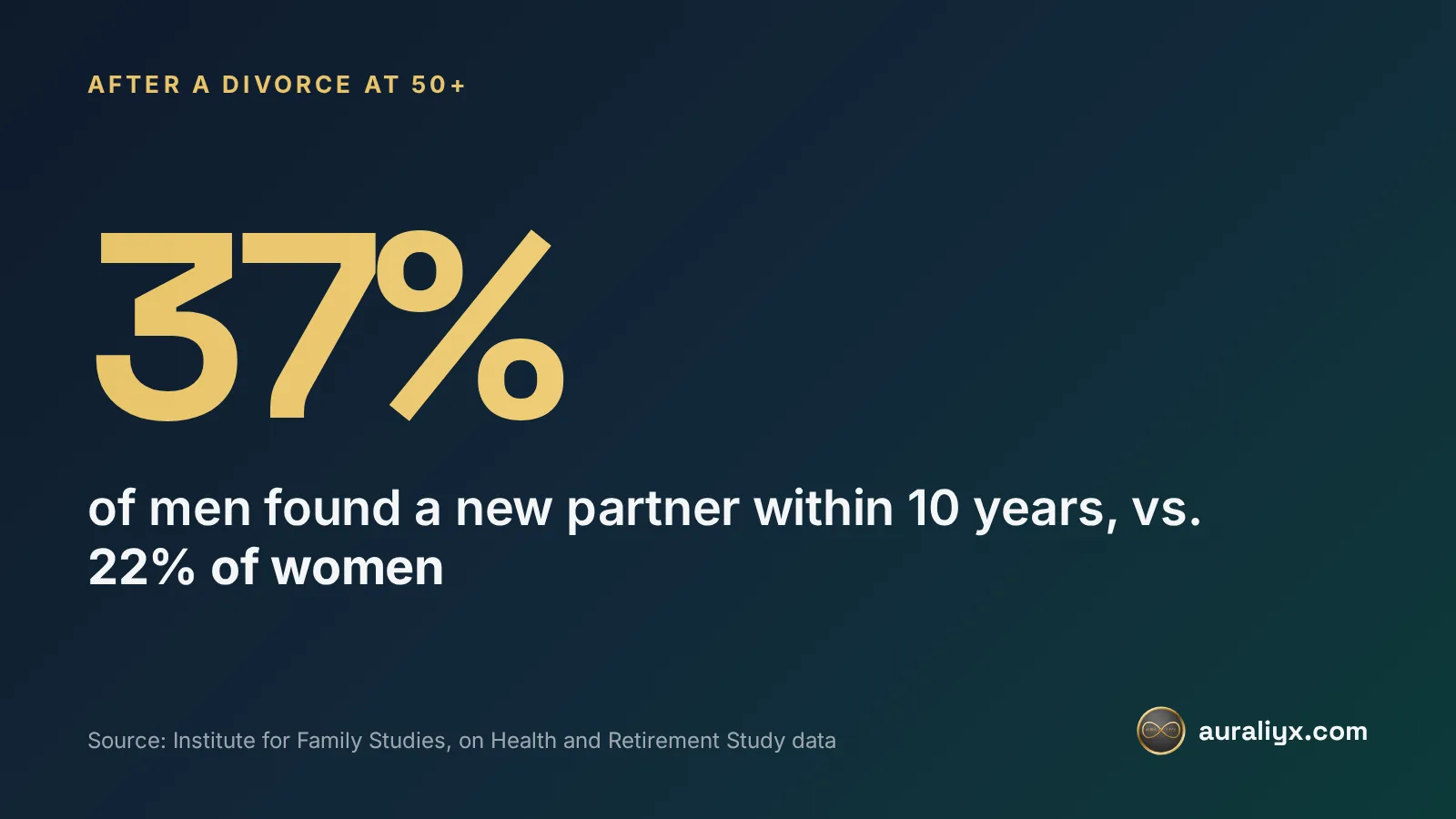
New relationships widened the gap. Within 10 years, 22% of older women and 37% of men had found a new partner, and for men, that was linked to even less involvement with their children. Fathers did increase one thing, though: financial support to their adult kids.
A German study of 9,092 adult children found a similar split: after a late divorce, contact with fathers dropped while contact with mothers rose, and father-daughter relationships showed the biggest declines. These studies show associations, not destiny. Plenty of divorced dads stay close to their kids.
Not sure how to reach out after years of distance? Describe the situation and get the right first words.
Try Auraliyx free →Why dads drift: the “kinkeeping” gap
In many families, one person, often Mom, keeps everyone connected. She remembers birthdays, plans the holidays and checks in when someone seems off. Sociologists call this “kinkeeping.” When a marriage ends, the parent who relied on someone else to do it can suddenly find the line has gone quiet.
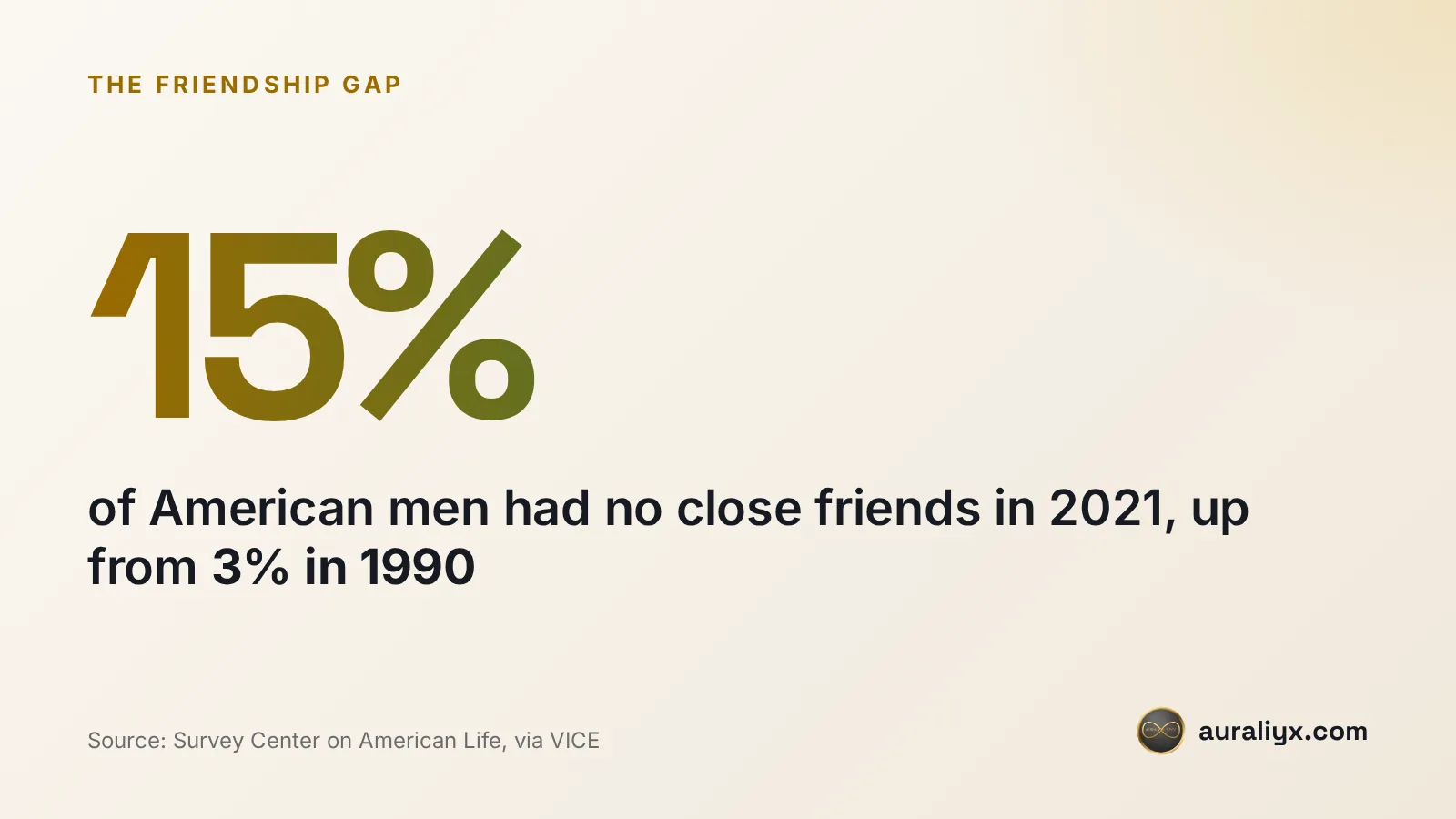
Friends don’t always fill the gap. According to the Survey Center on American Life, the share of American men with no close friends rose from 3% in 1990 to 15% in 2021. And research by geriatrician Maria Carney estimates that nearly a quarter of Americans over 65 either lack someone to help them or are at risk of ending up that way.
This isn’t about who loves their kids more. It’s about who does the small work of staying in touch, and that can be learned at any age.
What to say if you’re going through a divorce now
If you’re separating, the habits you build now shape the decades after. Keep being a parent, not just someone’s ex: talk to your kids directly, whatever their age, and keep it about them, not the divorce.
- Be your own kinkeeper. Put birthdays, games and graduations in your calendar now, with reminders.
- Keep contact small and steady. A two-line text every week beats a long talk twice a year.
- Never use your kids as messengers. Schedules and logistics go to your ex, not through your children.
- Keep money talks between adults. Money is already the top stressor for couples, and after a split it can sour every family conversation if the kids get pulled in.
Why it works: It speaks to your child directly, leaves the other parent out of it and makes saying yes easy.

How to reconnect with adult children after years apart
If the distance has already happened, it isn’t too late. Rutgers sociologist Jocelyn Elise Crowley found that fathers can reconnect with their adult children, even after years apart. It takes effort, though, and it usually means you make the first move.
Start small. A first message should be short, warm and free of pressure. Don’t relitigate the past in a text. If an apology is due, keep it about their experience, not your reasons. Our guide to writing an apology text that actually lands walks you through it.
And if they don’t answer right away? That’s normal. Give it time, then try once more, lightly. Here’s what to send after being left on read without adding guilt.

Why it works: Guilt pushes people away. A warm, low-pressure message makes it safe to answer when they’re ready.
Why it works: Owning your part without blaming anyone opens the door. Explanations can come later, if they ask.
Dating again after divorce, without losing your family
A new relationship after a divorce can be a wonderful thing. But in the U.S. data, repartnering was linked to even less contact between fathers and their kids. As the Institute for Family Studies put it, a remarried man is more likely to tag along with his new wife to her family than she is to join his.
So protect the old ties while you build new ones. Tell your kids about a new partner yourself and keep one-on-one time with them. Back on the apps after a long marriage? Plenty of singles now use AI to help with dating.
Why it works: It respects your kid’s feelings, lets them set the pace and shows the new relationship won’t replace them.
When loneliness turns into something heavier
The Granada researchers found that many interviewees, especially men, showed symptoms of depression and struggled with loneliness, often hiding it and enduring it in silence. If that sounds like you or someone you love, reaching out is a strength, not a burden.
A doctor, a licensed therapist or a support group for people after divorce can help. If you or someone you know is in crisis in the U.S., call or text 988 to reach the Suicide & Crisis Lifeline; elsewhere, contact your local emergency number or crisis line.
Mid-divorce? Choices about the house, retirement or support shape your later years, too. A family lawyer, mediator or financial planner can explain your options.
This article is general information, not medical, legal or financial advice. If you’re struggling, or facing decisions about divorce, money or care, talk to a qualified professional.
- Money Now Stresses Couples More Than Health, Work or Intimacy. Here's How to Talk About It Without a Fight
- AI Use in Dating Jumped 333%. Here’s How Singles Are Actually Using It
- U.S. Divorce Is Less Common Than It Used to Be: What the Latest CDC Numbers Show, and How Couples Can Bring Up Hard Things Early
Sources we checked
- University of Granada (via Phys.org): Marital breakups can also have long-term effects, and some are felt keenly in old age (October 20, 2026)
- VICE: Why Some Divorced Men End Up Alone in Old Age, According to Science (October 23, 2026)
- Institute for Family Studies: The Aftermath of Gray Divorce For Men, Women, and Their Adult Children (October 25, 2021)
- PsyPost: Grey divorce reshapes family dynamics: Fathers lose touch, while mothers grow closer to adult children (March 13, 2024)
We open and read every source before we cite it. Spotted an error? Email humansupport@auraliyx.com and we will fix it.
Written by
Auraliyx is an AI relationship coach trained only on attraction, dating and relationships. Every article is built from sources we open and read, every number is checked against the original, and the Auraliyx team reviews it and corrects anything we get wrong.
Frequently asked questions
What are the long-term effects of divorce?
Research links divorce to lasting changes in family support. A 2026 University of Granada study found that some divorced older adults living alone lacked practical and emotional support decades later, especially men who had lost touch with their children.
What is gray divorce?
Gray divorce usually means a divorce involving people over 50. According to the Institute for Family Studies, its rate has doubled since 1990 and it now represents a quarter of all U.S. divorces.
Why do divorced fathers lose contact with their kids?
Researchers point to the “kinkeeping” gap: in many families, mothers keep everyone connected. After a split, fathers who relied on that work may drift. Finding a new partner was also linked to less contact for men.
Can a father reconnect with adult children after divorce?
Yes. Rutgers sociologist Jocelyn Elise Crowley found that fathers can reconnect even after years apart. Start with short, warm messages, own your part without blaming anyone and be patient.
What should I text my adult child after years of no contact?
Keep it short and pressure-free, like: “Hi, it’s Dad. I’ve been thinking about you and I’d love to hear how you’re doing. No pressure to reply fast.” Save the long talk for later.
Does divorce affect women differently in old age?
In the Granada study, women usually stayed close to their children but often faced money strain from raising kids alone, which limited their access to paid care.
Found it useful? Send it to someone who needs it
A friend with the same question will thank you.
Find the words to reconnect
Paste the message you got, or tell Auraliyx what happened between you. She helps you write warm, honest texts to your kids, your ex or a new partner, so the door stays open.
Try Auraliyx freeFree · no credit cardShort videos on what to text, what to say and what it really means. Follow Auraliyx:
Join the conversation
Has this happened to you? Share your experience. It might help someone else.
Comment rules
- Be kind. No insults, hate or explicit content.
- No links, ads, contact details or phone numbers.
- English only, for now.
- Don't share private details about other people.
- Comments are checked automatically and may be removed.
We only keep the first name and the comment you post, and the date. We don't ask for your email or store your IP address. To have a comment removed, email humansupport@auraliyx.com.