Relationship Anxiety Often Comes Down to One Question: Does This Have a Future? Here’s What a New Study Found
A new study of 603 young men found that how stable people felt their relationships were statistically explained differences in attachment anxiety and avoidance. Here’s what that means if you keep wondering where things are going, and how to ask without scaring anyone off.
Relationship anxiety, the worry that a partner will pull away or doesn’t feel the same, appears to be closely linked to how stable a relationship feels. In a study published in BMC Psychology in September 2026, researchers surveyed 603 men ages 20–29 in Shanghai and found that perceived relationship stability statistically accounted for differences in attachment anxiety and avoidance between gay and heterosexual men. It shows a link, not cause and effect. The practical takeaway: knowing where things are going can matter as much as feeling close today.
- In a new study of 603 young men, how stable people felt their relationships were statistically explained group differences in attachment anxiety and avoidance.
- Relationship history, like how many partners someone had, mattered less than whether the relationship felt like it had a future.
- The study shows an association in one specific group, not proof that uncertainty causes anxiety.
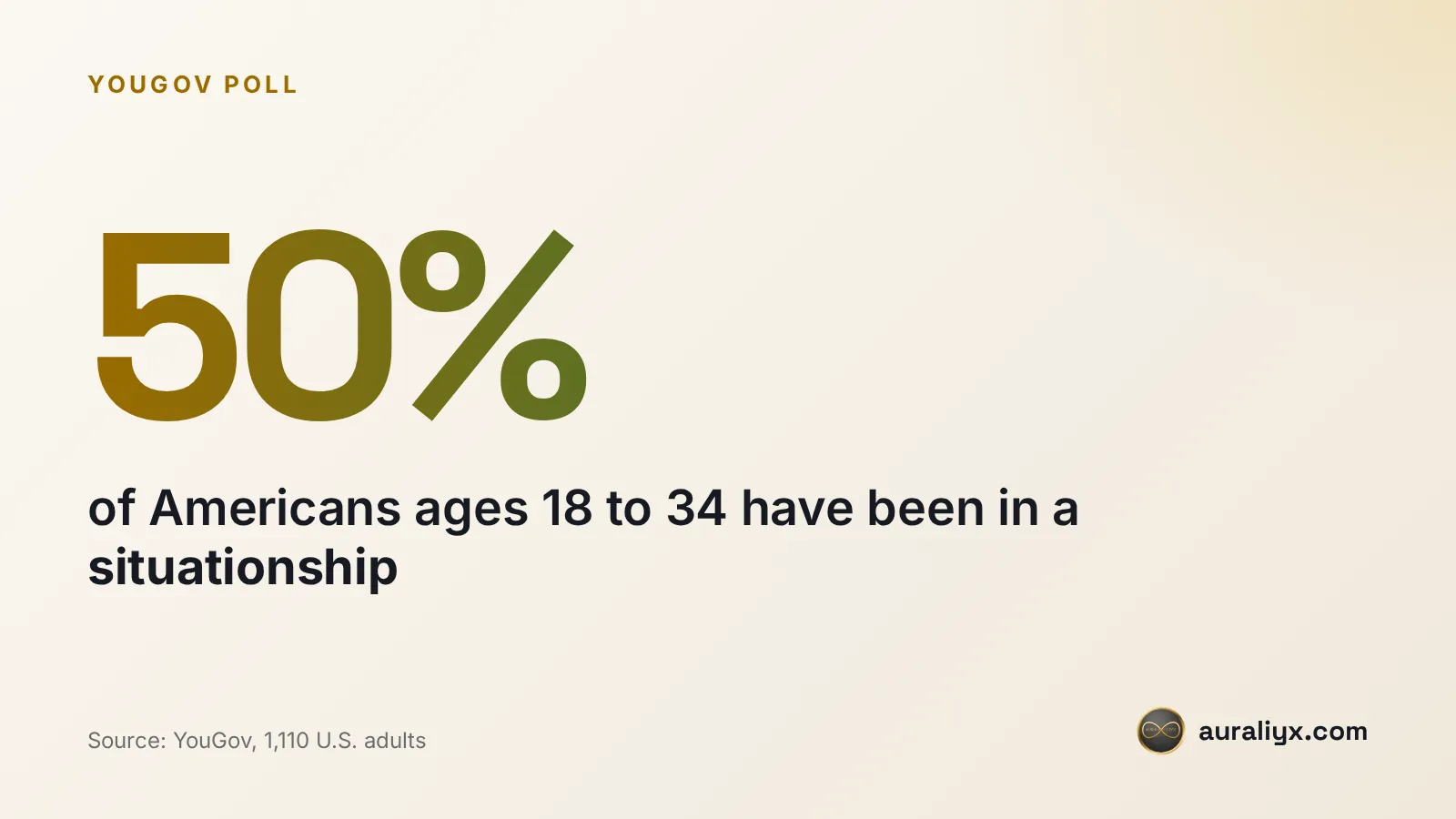
- Situationships are common: 39% of U.S. adults, and 50% of 18- to 34-year-olds, say they’ve been in one (YouGov).
- Asking “where is this going?” works best as a calm, curious question, not an ultimatum.
You had a great weekend together. They texted “good morning” on Monday, like always. And yet you’re lying awake wondering the same thing you wondered last week: is this actually going anywhere?
If that low hum of worry sounds familiar, a new study has an interesting idea about where it comes from. It suggests that feeling secure in love isn’t only about how close you feel today. It may also depend on whether the relationship feels like it has a future.
Here’s what the researchers found, what they didn’t, and how to ask the “where is this going?” question in a way that brings you closer instead of scaring anyone off.
What the new study on relationship anxiety found
Researchers from Waseda University and Nagoya University in Japan collected questionnaire data from 603 men ages 20–29 living in Shanghai, China: 303 gay men and 300 heterosexual men. The study was published in the journal BMC Psychology in September 2026, and Waseda University shared the results in October.
The team looked at two sides of what psychologists call attachment. Attachment anxiety is the worry that a partner will leave, or not being sure how they feel about you. Attachment avoidance is discomfort with getting emotionally close or leaning on a partner.
Gay men in the sample reported higher levels of both. But among the 510 participants who had been in at least one relationship, the gap didn’t come from relationship history. Both groups had a similar number of past relationships. The clear difference was in how stable people felt their relationships were, and that sense of stability statistically accounted for the differences in anxiety and avoidance.
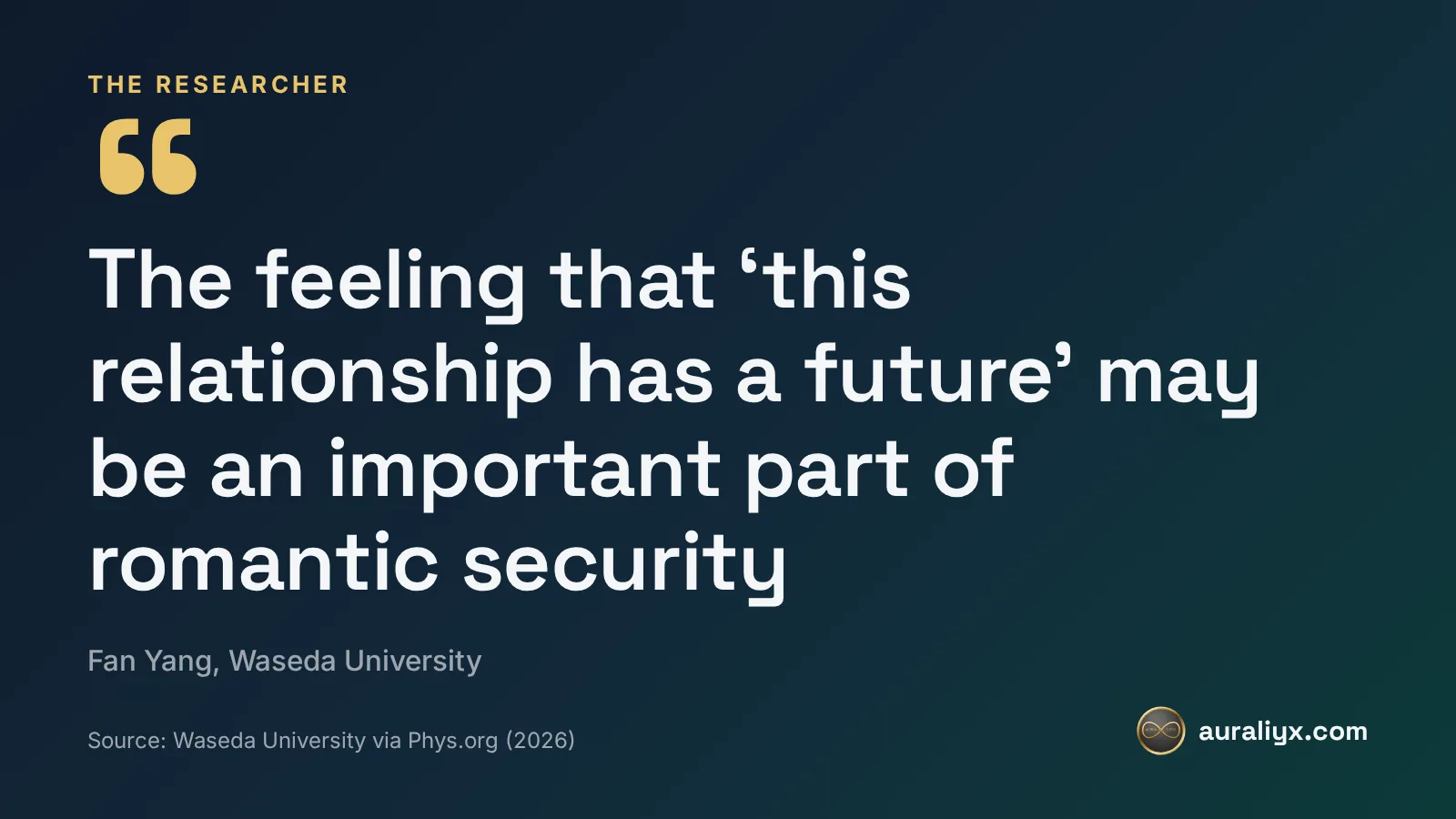
“Our findings highlight the critical role of relationship stability in shaping adult attachment patterns”
Fan Yang, Waseda University
Why “does this have a future?” matters so much
Most advice about insecurity in relationships focuses on the present: texting back, spending time together, saying “I love you.” Those things matter. This study points to something that’s easy to overlook: your sense of where the relationship is headed.
Think about it this way. A good date tells you how things are right now. A shared plan, even a small one like a trip next spring or meeting each other’s friends, tells you the other person sees you in their tomorrow. When that signal is missing, it’s easy to fill the silence with worry, or to protect yourself by keeping one foot out the door. That’s our reading, not something the study tested directly, but it fits what the researchers describe.
For gay and other LGBTQ+ couples, the researchers note, that sense of a future can also depend on the world around them: whether family, friends and the wider community accept the relationship. Feeling secure isn’t only a private matter between two people.
Not sure how to ask “what are we” without it getting awkward? Describe the situation and get words that sound like you.
Try Auraliyx free →What the study can’t tell you
It’s a useful study, but it has real limits worth knowing before you apply it to your own love life:
- It’s one group. All participants were men in their 20s living in one city in China. Women, older adults and people elsewhere weren’t included.
- It’s a link, not proof. The study can’t show that feeling unsure causes anxiety. It could also work the other way, with anxious people seeing their relationships as less stable.
- It’s self-reported. Stability was measured by asking people how stable their relationships felt, not by tracking how long those relationships actually lasted.
What this means if you’re in a situationship
The study didn’t look at situationships, so be careful about stretching it too far. Still, its main idea fits the situationship experience almost perfectly. A situationship is a connection with no clear answer to “what are we?” and, often, no clear future.
And they’re common. In a YouGov poll of 1,110 U.S. adults, 39% said they had been in a situationship, a figure that rose to 50% among 18- to 34-year-olds.
If you feel anxious in one, it doesn’t automatically mean you’re “too much” or “needy.” It may simply mean you’re missing the information you need to feel secure. That uncertainty can get louder in late fall, when cuffing season has everyone wondering who’s actually serious.
How to ask “where is this going?” without pushing them away
The goal isn’t to force a label tonight. It’s to get enough clarity to decide what you want. A few things help:
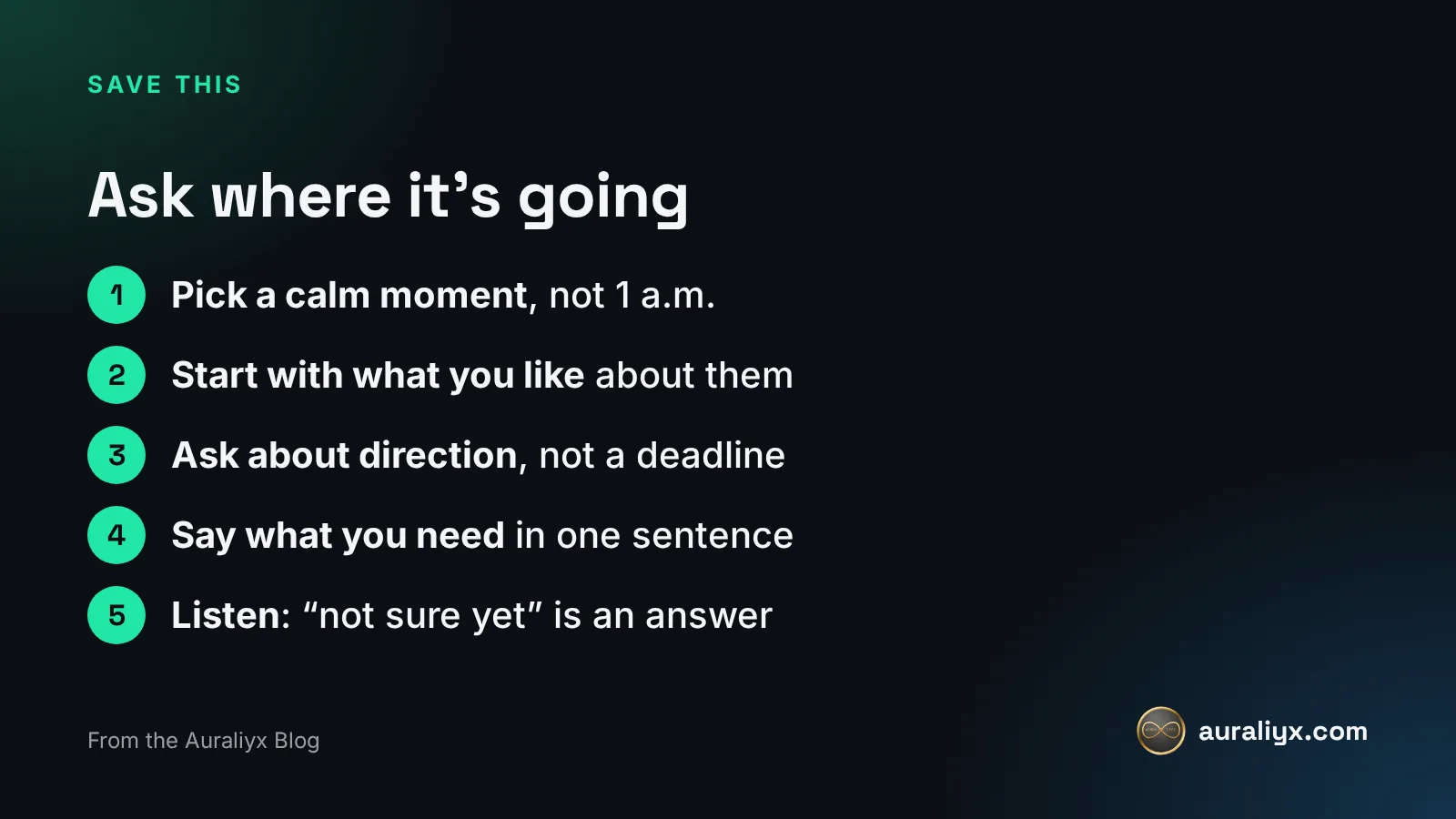
- Pick a calm moment. Not right after a fight, and not at 1 a.m. over text.
- Lead with what you enjoy. It shows you’re asking because you care, not because you’re keeping score.
- Ask about direction, not a deadline. “Are we heading the same way?” lands softer than “Are we exclusive or not?”
- Say what you want, briefly. You’re allowed to have needs. One clear sentence beats a long speech.
- Listen to the answer. “I don’t know yet” is information, too.
Why it works: It opens with warmth, names your feeling without blame and invites their view instead of demanding a verdict.
Why it works: It lowers the stakes while staying honest that you need some clarity to feel secure.
If you’re the one who isn’t sure yet
Avoidance was the other half of the study’s findings, and it deserves attention. Not wanting to define things isn’t always about not caring. Sometimes it’s a way to protect yourself when the future feels shaky.
If the person you’re seeing asks where things are going and you freeze, try being honest about the uncertainty instead of going quiet. Silence or a vague “let’s just see” often reads as rejection, even when you don’t mean it that way. And if you’re not even at the “what are we” stage yet, start with how to tell someone you like them over text.
Why it works: It reassures them about now and about later, which is exactly the kind of security the study points to.
When the doubt comes from outside the relationship
One of the study’s more striking points is that stability doesn’t only come from inside a couple. Worrying about whether family and society will accept your relationship can shake it, too. Similar outside pressure can show up for any couple whose families aren’t on board yet.
With the holidays coming, this gets real fast. Whether you’re bringing someone home for Thanksgiving or deciding not to, talk about it together ahead of time. Plan what you’ll say to relatives, and agree on how you’ll back each other up if a comment lands badly. Facing it as a team is itself a sign that you both see a future.
Further along? The same skill helps with bigger steps, like talking about getting engaged.
When relationship anxiety takes over
Some worry is normal when you care about someone. But if you’re constantly checking your phone, reading every short reply as a sign they’re leaving, or you can’t enjoy the good moments because you’re bracing for the end, it may help to talk to someone.
The researchers themselves say their findings may be relevant to relationship counseling and mental health support. A licensed therapist can help you sort out which worries come from this relationship and which ones you carry from past ones. And if your doubts are about a relationship that really is fading, here are the signs a relationship is ending, according to research.
If a short or cold reply sends you spiraling, this guide on how to respond to a cold text from your partner can help you answer calmly.
This article is general information, not mental health advice. If anxiety about your relationship is affecting your sleep, work or daily life, talk to a licensed therapist or another qualified professional.
Sources we checked
- Waseda University via Phys.org: Confidence in a relationship's future is linked to feelings of romantic security (October 9, 2026)
- YouGov: Half of 18 to 34 aged Americans have been in a ‘situationship’ (January 31, 2024)
We open and read every source before we cite it. Spotted an error? Email humansupport@auraliyx.com and we will fix it.
Written by
Auraliyx is an AI relationship coach trained only on attraction, dating and relationships. Every article is built from sources we open and read, every number is checked against the original, and the Auraliyx team reviews it and corrects anything we get wrong.
Frequently asked questions
What causes relationship anxiety?
There’s rarely one cause. Past experiences, attachment style and the current relationship can all play a part. A 2026 study in BMC Psychology points to one factor that’s easy to miss: how stable the relationship feels. In that study, perceived stability statistically explained differences in attachment anxiety between groups.
Is it normal to feel anxious in a situationship?
Yes, very. A situationship comes with built-in uncertainty about what you are and where it’s going, and new research links feeling unsure about a relationship’s stability to more attachment anxiety. Feeling anxious may simply mean you need more clarity.
How do I ask “what are we” without scaring them off?
Pick a calm moment, start with what you enjoy about the connection and ask about direction rather than demanding a label. For example: “I really like this. Are we heading the same way?”
How long should you wait before asking where a relationship is going?
There’s no magic timeline. A better signal is how you feel: if the uncertainty is starting to cost you sleep or peace of mind, it’s reasonable to ask.
What is the difference between attachment anxiety and avoidance?
Attachment anxiety involves worrying about being abandoned or being unsure about a partner’s feelings. Attachment avoidance involves discomfort with emotional closeness or with relying on a partner.
Can relationship anxiety go away?
Often it eases as a relationship becomes clearer and more secure, though that varies from person to person. If it’s persistent or affecting your daily life, a licensed therapist can help.
Found it useful? Send it to someone who needs it
A friend with the same question will thank you.
Get clarity, kindly
Paste their last message or describe where things stand. Auraliyx helps you ask where it’s going, or answer when you’re not sure yet, in words that feel honest and calm, and she explains why they work.
Try Auraliyx freeFree · no credit cardShort videos on what to text, what to say and what it really means. Follow Auraliyx:
Join the conversation
Has this happened to you? Share your experience. It might help someone else.
Comment rules
- Be kind. No insults, hate or explicit content.
- No links, ads, contact details or phone numbers.
- English only, for now.
- Don't share private details about other people.
- Comments are checked automatically and may be removed.
We only keep the first name and the comment you post, and the date. We don't ask for your email or store your IP address. To have a comment removed, email humansupport@auraliyx.com.