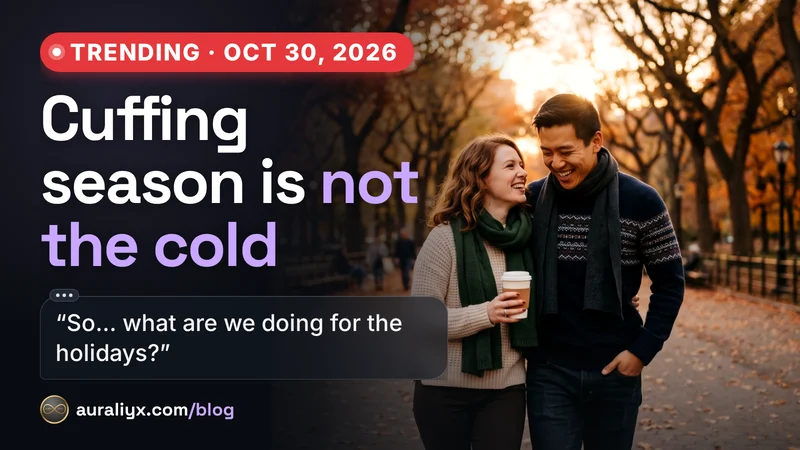
No Spark on First Date? Nearly Half of Singles Say Attraction Grew Later. Here’s When to Try Again
The Kinsey Institute’s 2026 Singles in America survey found that 49% of U.S. singles have fallen for someone they weren’t initially attracted to, and 41% would give an unexciting first date a second chance. Here’s what that means for you, and what to text next.
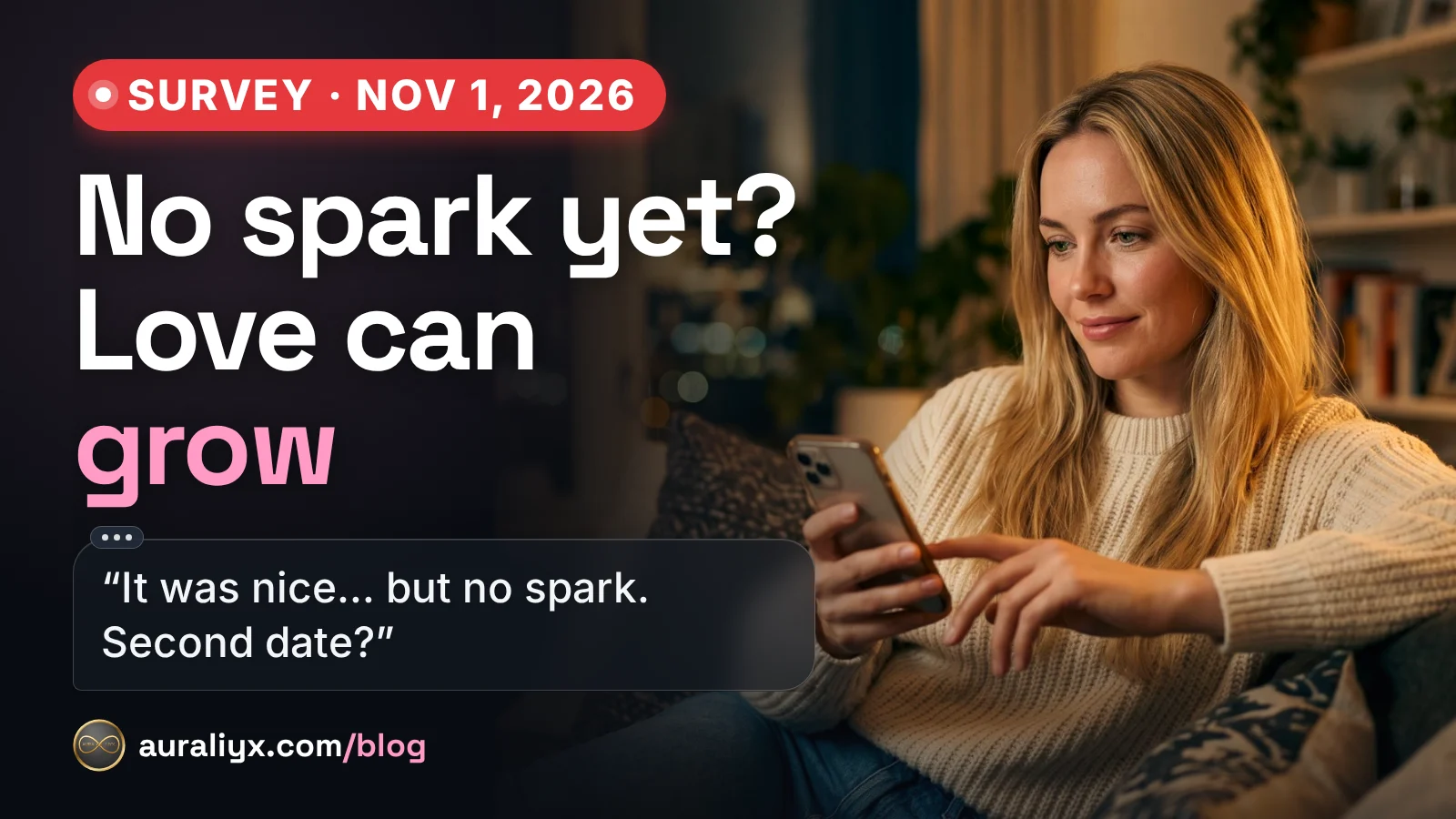
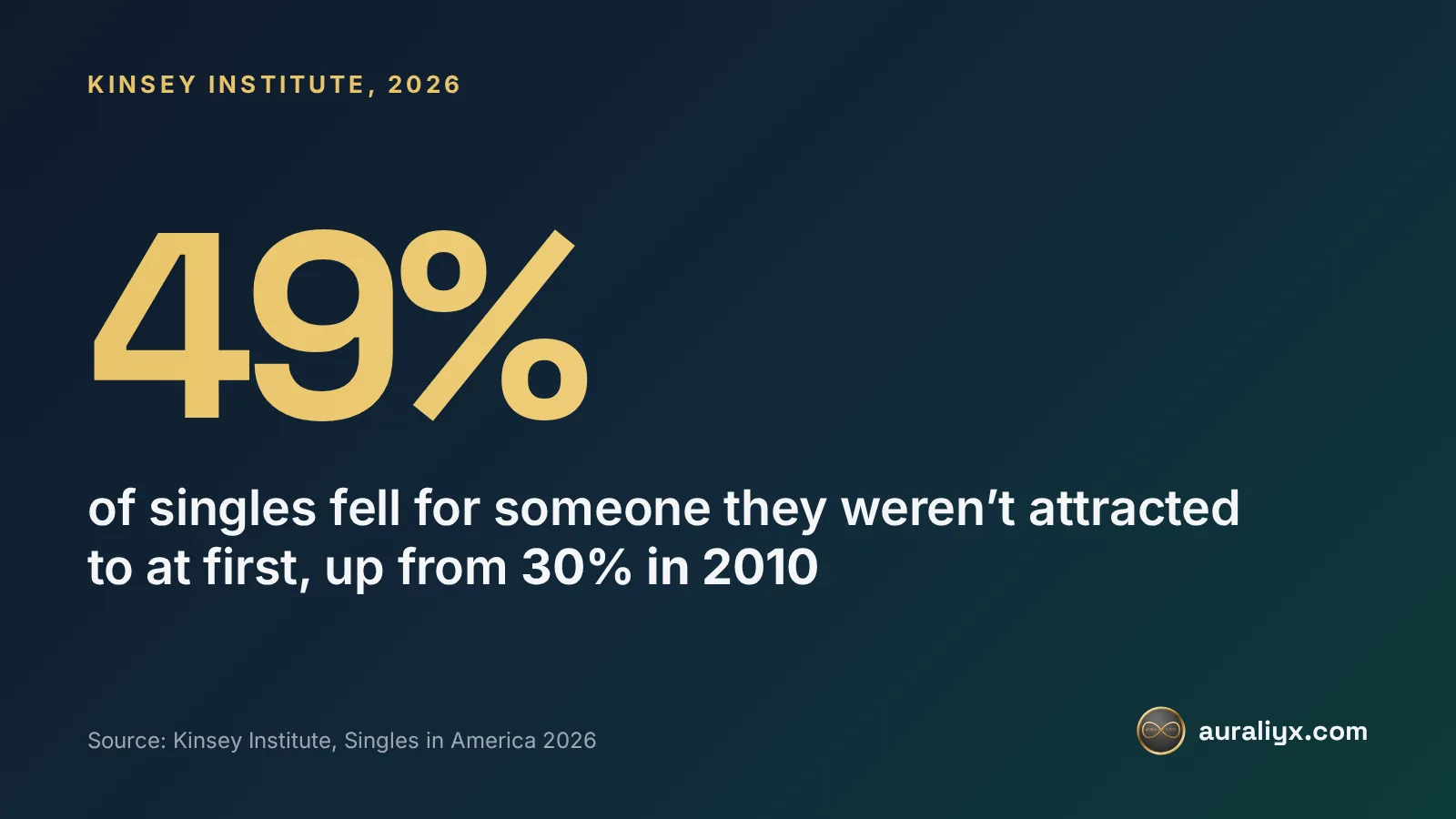
No spark on first date doesn’t always mean no future. In the Kinsey Institute’s 2026 Singles in America survey of approximately 5,000 U.S. singles, 49% said they had fallen for someone they didn’t find attractive at first, up from 30% in 2010, and 41% would try a second date if the first wasn’t exciting. If the conversation flowed and you felt comfortable, a second date is often worth it. If you felt uneasy or disrespected, end things kindly.
- 49% of U.S. singles say they’ve fallen for someone they didn’t find attractive at first, up from 30% in 2010 (Kinsey Institute, 2026).
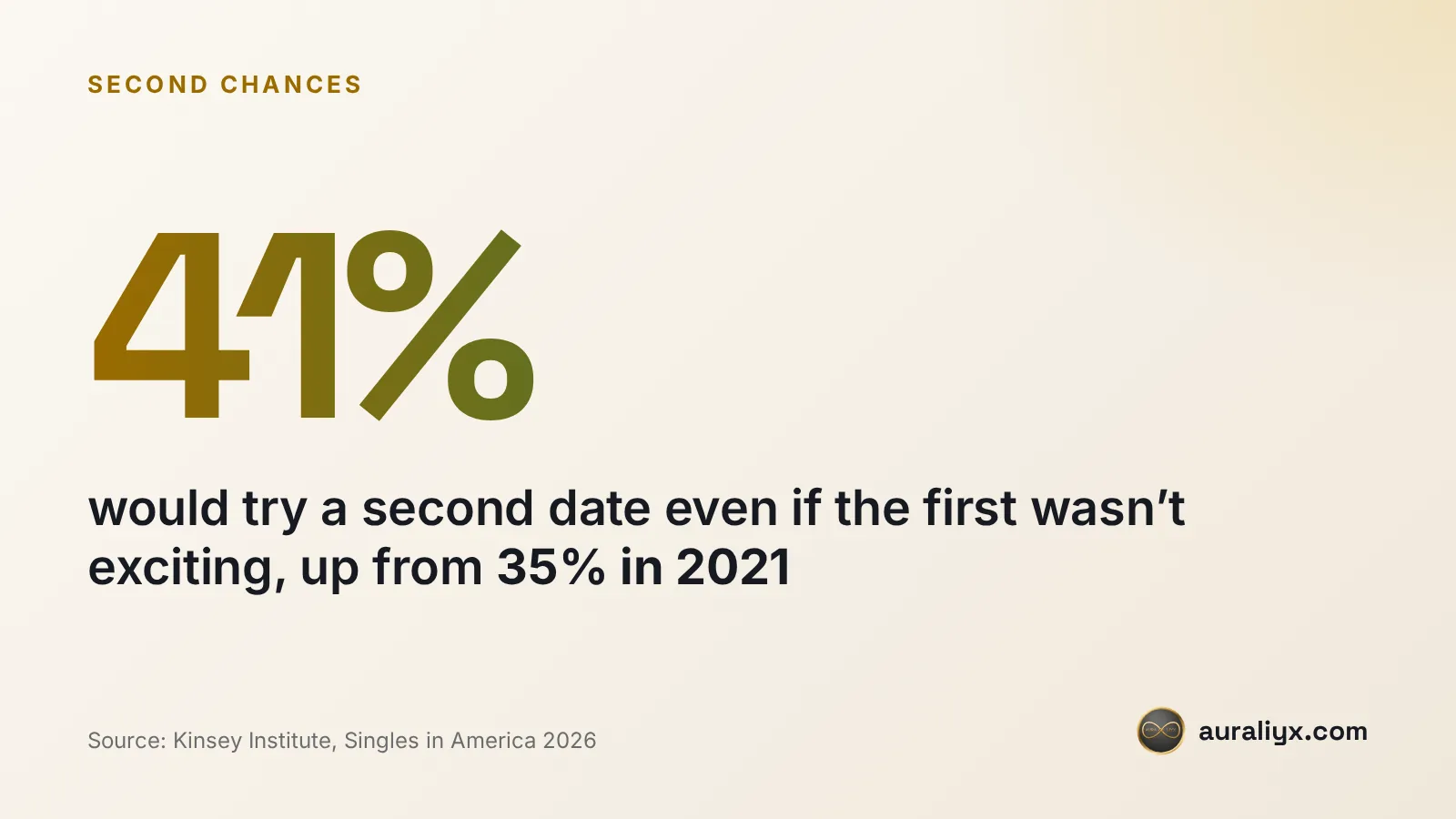
- 41% would try a second date even if the first wasn’t exciting, up from 35% in 2021.
- Great conversations, shared interests and becoming best friends were the top reasons attraction grew.
- Only 35% would tell a date face-to-face that they’re not interested, yet 60% would prefer to hear it directly, face-to-face.
- A flat first date is a weak test. Comfort, curiosity and respect are better signs than instant fireworks.
You had a perfectly nice first date. Good coffee, easy laughs, no awkward silences. Then you get home, open your phone and think: but did I actually feel anything? No fireworks, no butterflies, just a calm “that was fun.”
For years, dating culture has treated that as the end of the story. If the spark isn’t there right away, swipe on. New data from the Kinsey Institute suggests a lot of singles are quietly rethinking that rule, and that the slow burn deserves more credit than it gets.
What the 2026 Singles in America survey found
The Kinsey Institute at Indiana University released its 15th annual Singles in America study in September, with funding from Match. Researchers surveyed approximately 5,000 U.S. single adults aged 18 and older between March and April 2026, using 120 questions about dating, attraction, relationships and everyday life.
One finding stands out for anyone stuck after a so-so first date: 49% of singles say they have fallen for someone they did not initially find attractive. In 2010, that number was 30%.
Singles are also more willing to give a lukewarm start another shot. The share who would try a second date if the first one isn’t exciting rose from 35% in 2021 to 41% in 2026. The researchers summed it up in their release: love at first sight is rising, but so is the slow burn.
Love at first sight is up too. So which one is real?
Here’s the twist. Belief in love at first sight also jumped, from 41% in 2010 to 62% in 2026, and the share who say they’ve experienced it rose from 30% to 47%.
Both can be true. Some connections hit instantly. Others build over a few conversations until you notice you’re checking your phone hoping it’s them. The data doesn’t crown a winner; it says both paths are common, so ruling out the slower one too early could mean missing someone good.
Singles are also pickier on paper: the share with a “checklist” for a long-term partner rose from 25% in 2021 to 34% in 2026. Keep in mind this is a survey of what people report about themselves, not an experiment, so it shows how attitudes are shifting rather than proving why.
“Knowing what matters to you doesn’t mean knowing exactly who you’ll fall for.”
Dr. Justin Garcia, Executive Director of the Kinsey Institute
Had a “meh” first date but want to see them again? Describe it and get a warm, natural text to ask for date two.
Try Auraliyx free →Why attraction can grow: what the research says
According to the Kinsey release, the top reasons singles gave for falling for someone they weren’t first drawn to were having great conversations, sharing common interests and becoming best friends.
That fits with earlier research. In a study published in Psychological Science, researchers from the University of Texas at Austin and Northwestern University looked at 167 couples, 67 dating and 100 married. Couples who started dating within a month of meeting tended to be closely matched on looks. Couples who knew each other longer before dating, including friends who became partners, were much less matched.
The lead researcher, Lucy Hunt, suggested that with more time, qualities like how compatible someone is as a partner can make them appealing in ways that matter more than first impressions. It was one modest study that the authors said needs repeating, but it matches what many singles describe: sometimes you have to know a person before you really see them.
No spark on first date: when a second date makes sense
A flat first date isn’t always a sign of zero chemistry. First dates come with nerves and small talk, and plenty of people only relax, and show their real humor, once they feel safe.
A second date is usually worth it when:
- The conversation flowed, even if your heart didn’t race. Great conversation was a top reason attraction grew in the Kinsey data.
- You felt comfortable and respected. When singles picked their top three traits for a committed partner, “someone I can trust and confide in” came first, chosen by 39%.
- You were curious about something they said and wanted to hear more.
- Nerves were obvious on one or both sides, so you didn’t really see each other yet.
When to stop, and what to text if you want to try again
It’s probably time to stop if you felt uneasy, talked down to or bored in a way that felt like hard work, or if you already know your values clash on something that matters to you. A slow burn needs a little warmth to start with. It can’t grow out of discomfort.
If you do want to see them again, you don’t need to fake fireworks. Be warm, specific and low-pressure. Mention something real from the date so they know you were paying attention, and suggest an easy plan. If you want a second date that isn’t just another dinner, a little shared adrenaline can help: here’s what science says about haunted house dates and fear bonding.
Why it works: “I guess” sounds unsure and a little deflating. The better version is specific, shows you listened and offers an easy next step.
Why it works: Announcing that you felt no spark puts them on trial. You don’t owe anyone a chemistry report after one date. Show interest and suggest something relaxed.
If you’re still not feeling it, say so kindly
The slow burn has a flip side. Sometimes you give it a real chance and it still isn’t there. The Kinsey data shows many singles avoid saying so: only 35% said they’d be willing to tell someone face-to-face that they weren’t interested in seeing them again, and 37% said they’d do it by text.
Yet when asked how they’d want to hear it themselves, 60% said they’d prefer some form of direct communication face-to-face. In other words, most of us want honesty. We just find it hard to give.
A short, kind message beats a slow fade. It respects the other person’s time and lets you both move on. And if you’re the one left in silence, here’s what to do when someone ghosts you.
Why it works: Vague excuses keep the other person guessing. A clear, warm no is kinder in the long run, and it’s what most singles say they want.
How to give the slow burn a fair shot without forcing it
You can’t force attraction. The lesson is narrower: an instant spark is a weak test, so give promising people time to show who they are.
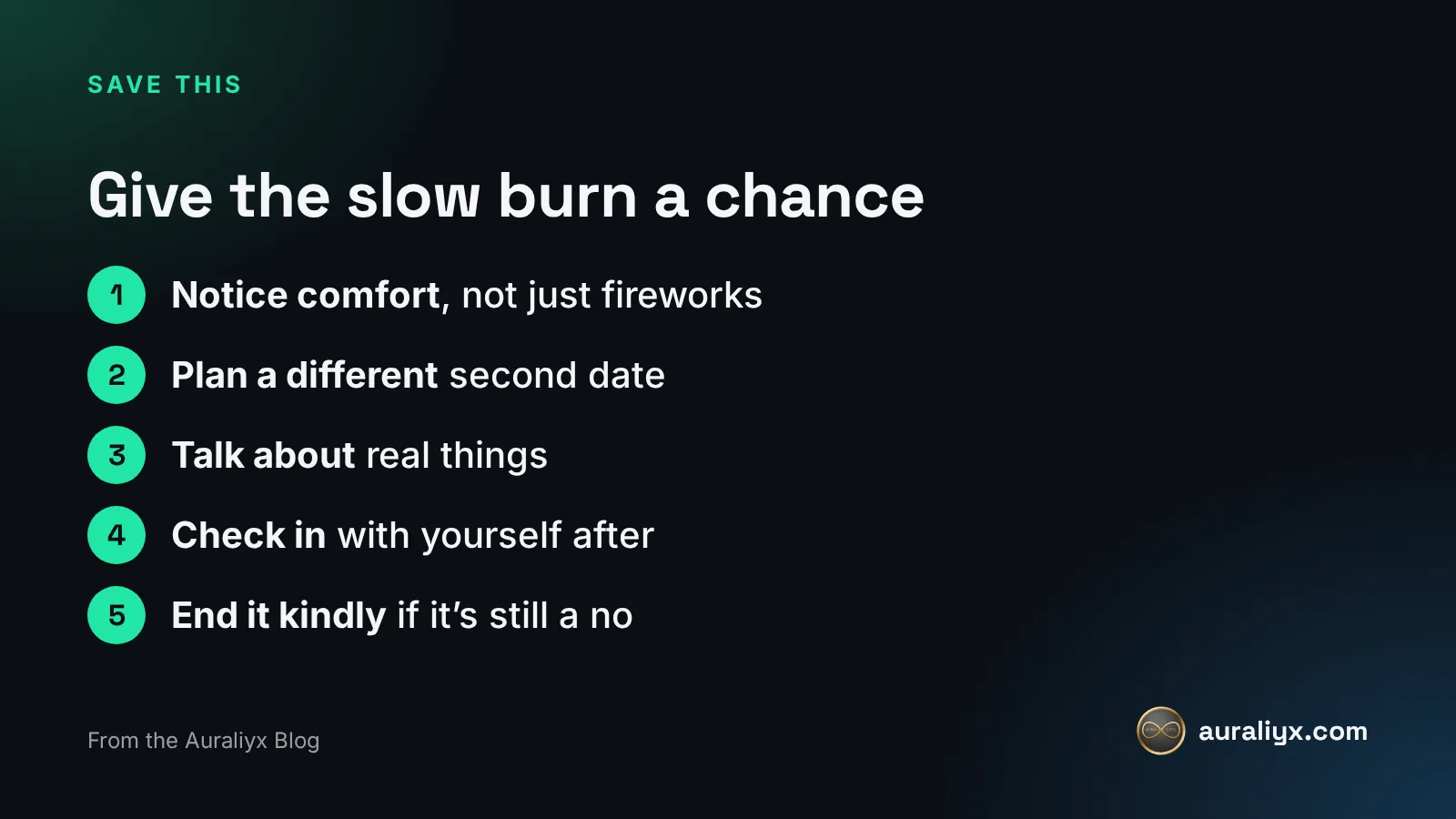
- Plan a different kind of second date. A walk, a market, a class. New settings show new sides of a person.
- Talk about real things. Values, plans, what makes them laugh. Conversation and shared interests were top reasons attraction grew.
- Check in with yourself after each date. Ask “Do I feel more curious or less?” instead of “Were there fireworks?”
- Set a gentle limit. If you still feel nothing after a few dates, it’s okay to end things kindly.
Timing, pressure and the words in between
With the holidays coming, plenty of people feel pressure to lock something in fast, which can make a slow burn feel like a waste of time. If that’s you, our look at cuffing season and what science says can help you tell real interest from seasonal loneliness.
The in-between moments are where most people freeze: the text after a so-so date, the reply to “so what did you think?”, the honest no. That’s where Auraliyx helps. Describe the date or paste the chat, and she suggests words that sound like you, with the why behind each one. For more ideas on wording, see our guide on how to ask for a second date over text.
Sources we checked
- Kinsey Institute at Indiana University (via EurekAlert!): 15th annual Singles in America Survey reveals how relationships, marriage, money and family are changing (September 14, 2026)
- Kinsey Institute at Indiana University: Singles want marriage more than they did 15 years ago (September 15, 2026)
- GCN: Kinsey Institute survey finds singles redefining relationship milestones in 2026 (October 8, 2026)
- Association for Psychological Science (via EurekAlert!): Longer acquaintance levels the romantic playing field (June 30, 2015)
We open and read every source before we cite it. Spotted an error? Email humansupport@auraliyx.com and we will fix it.
Written by
Auraliyx is an AI relationship coach trained only on attraction, dating and relationships. Every article is built from sources we open and read, every number is checked against the original, and the Auraliyx team reviews it and corrects anything we get wrong.
Frequently asked questions
Should you go on a second date if there was no spark?
Often, yes, if the date felt comfortable and the conversation flowed. In Kinsey’s 2026 Singles in America survey, 41% of singles said they’d try a second date even if the first wasn’t exciting. Skip it if you felt uneasy or disrespected.
Can attraction grow over time?
Many people say it can. In the 2026 Kinsey survey, 49% of U.S. singles said they’d fallen for someone they didn’t find attractive at first, most often through great conversations, shared interests and becoming best friends.
What is a slow burn relationship?
It’s a connection that builds gradually instead of starting with instant chemistry. Attraction grows as you get to know someone’s personality, humor and values over several dates, or as friends first.
How many dates does it take to know if you like someone?
There’s no magic number. Notice whether you feel more curious and comfortable after each date. If you still feel nothing after a few dates, it’s fair to end things kindly.
Is love at first sight real?
Plenty of singles think so: 62% believed in it in the 2026 Kinsey survey, up from 41% in 2010, and 47% said they’d experienced it. But instant attraction isn’t the only path. The slow burn is common, too.
How do you tell someone you’re not interested after a first date?
Be short, kind and clear, for example: “I enjoyed meeting you, but I don’t feel the connection I’m looking for. Wishing you the best.” In the Kinsey survey, 60% said they’d prefer direct communication face-to-face.
Found it useful? Send it to someone who needs it
A friend with the same question will thank you.
Give the slow burn a chance
Paste your chat or describe your first date. Auraliyx helps you decide what to say next, whether that’s asking for a second date or saying no kindly, and explains why each message works.
Try Auraliyx freeFree · no credit cardShort videos on what to text, what to say and what it really means. Follow Auraliyx:
Join the conversation
Has this happened to you? Share your experience. It might help someone else.
Comment rules
- Be kind. No insults, hate or explicit content.
- No links, ads, contact details or phone numbers.
- English only, for now.
- Don't share private details about other people.
- Comments are checked automatically and may be removed.
We only keep the first name and the comment you post, and the date. We don't ask for your email or store your IP address. To have a comment removed, email humansupport@auraliyx.com.